The site's own tour
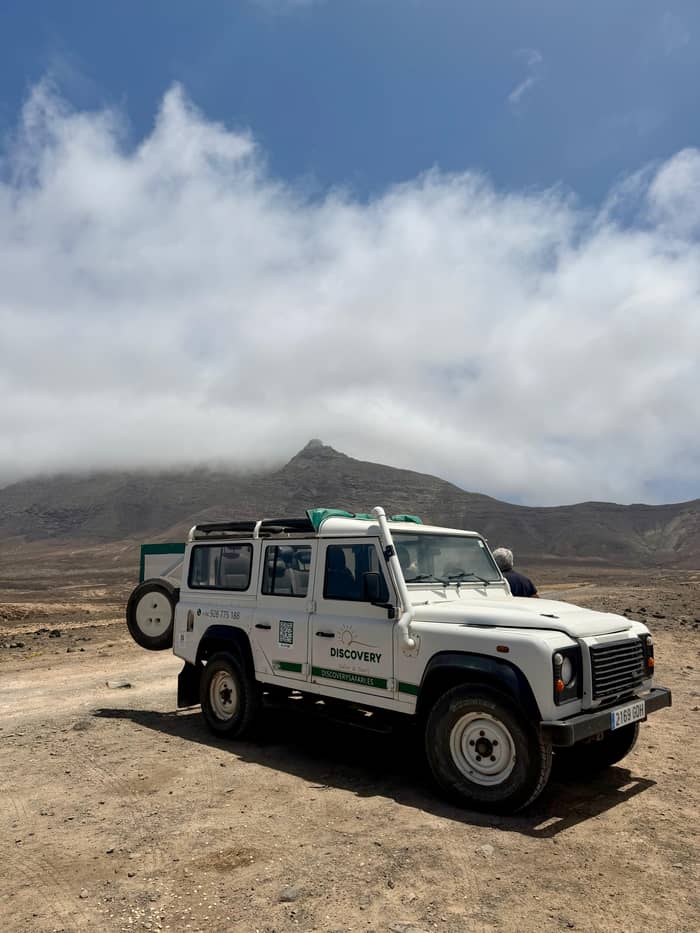
The jeep safari
Off-road with free beach time
- From€66
- Beach time40 minutes
- Reviews2,498 at 4.46
Locate your stop
Cofete jeep safari from Jandia
★ 4.5 · 2,498 reviews so far
The quick version
A Villa Winter Fuerteventura tour passes a mansion whose Nazi submarine story is an unconfirmed legend, and the official gazette names Gustav Winter Klingele only as the lessee of the Jandía estate in 1937.
The story in brief
Map of 26 stops
Tap a route first, then a pin or stop, for its note and Google Maps.
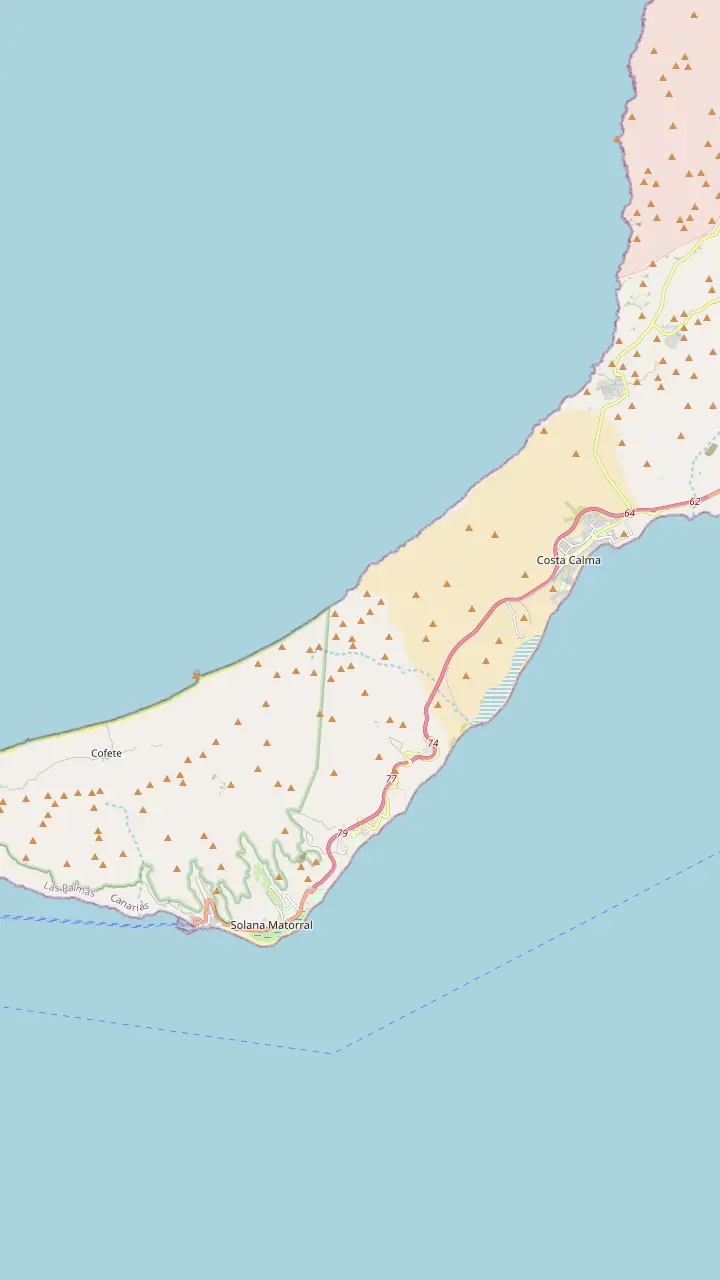
Morro Jable is the town where the Cofete road begins, and the bus line to Cofete starts here.
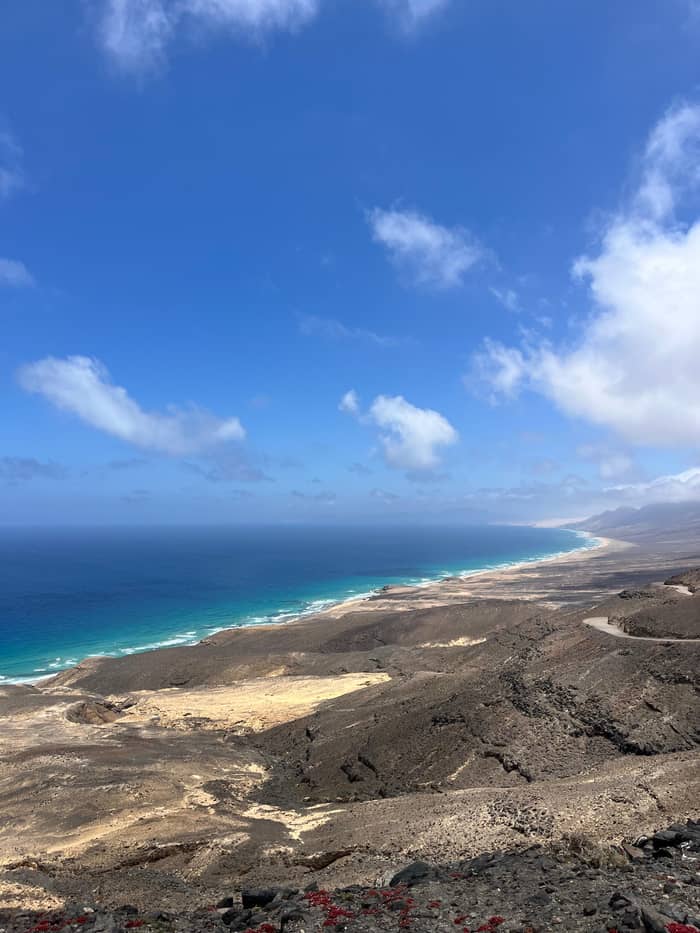
Google MapsThe Canarios viewpoint gives a panorama of Cofete beach and the highest mountains of the island.
Google MapsCasa Winter stands in the foothills above Cofete, and the stories of a Nazi base around it are unconfirmed.
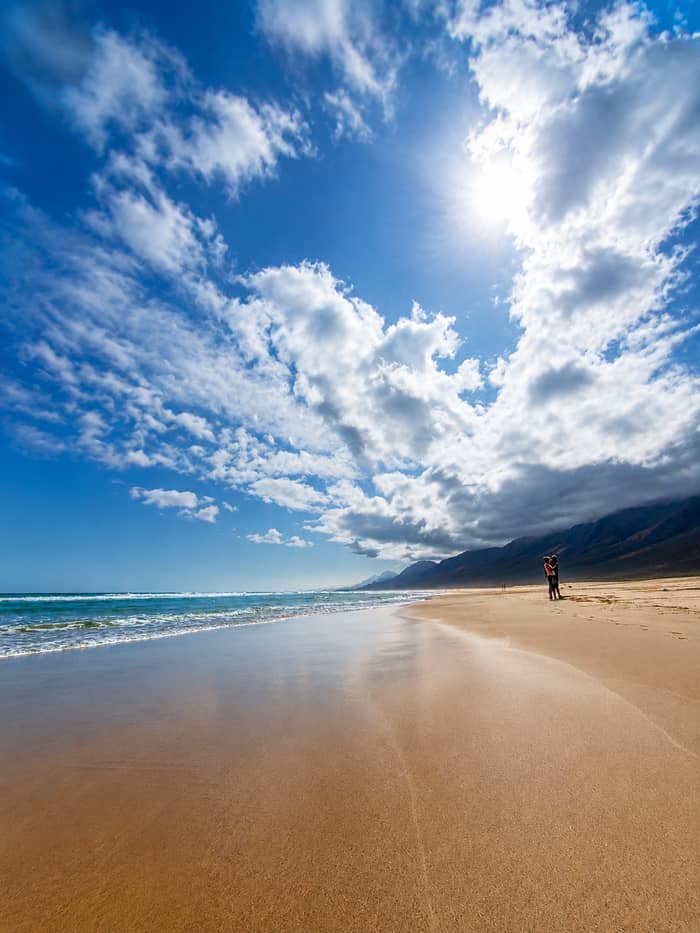
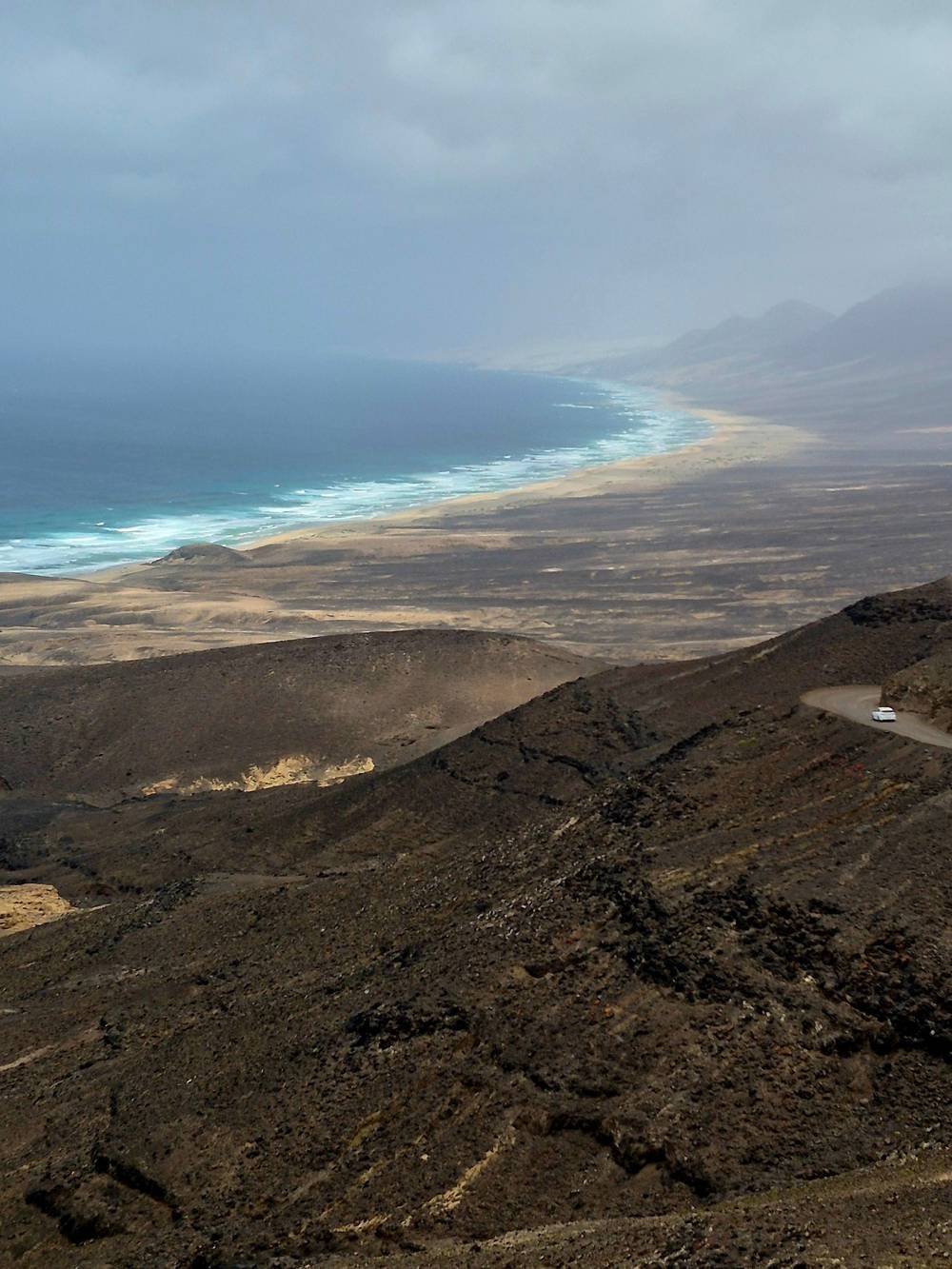
Google MapsCofete beach runs for 12 kilometers and is reached on a road of dirt and rocks.
Google MapsThe cemetery by the sea is protected as a site of cultural interest, and the dead were once carried here on camels.
Google MapsThe old stone wall of La Pared once closed the isthmus of Jandia from coast to coast.
Google Maps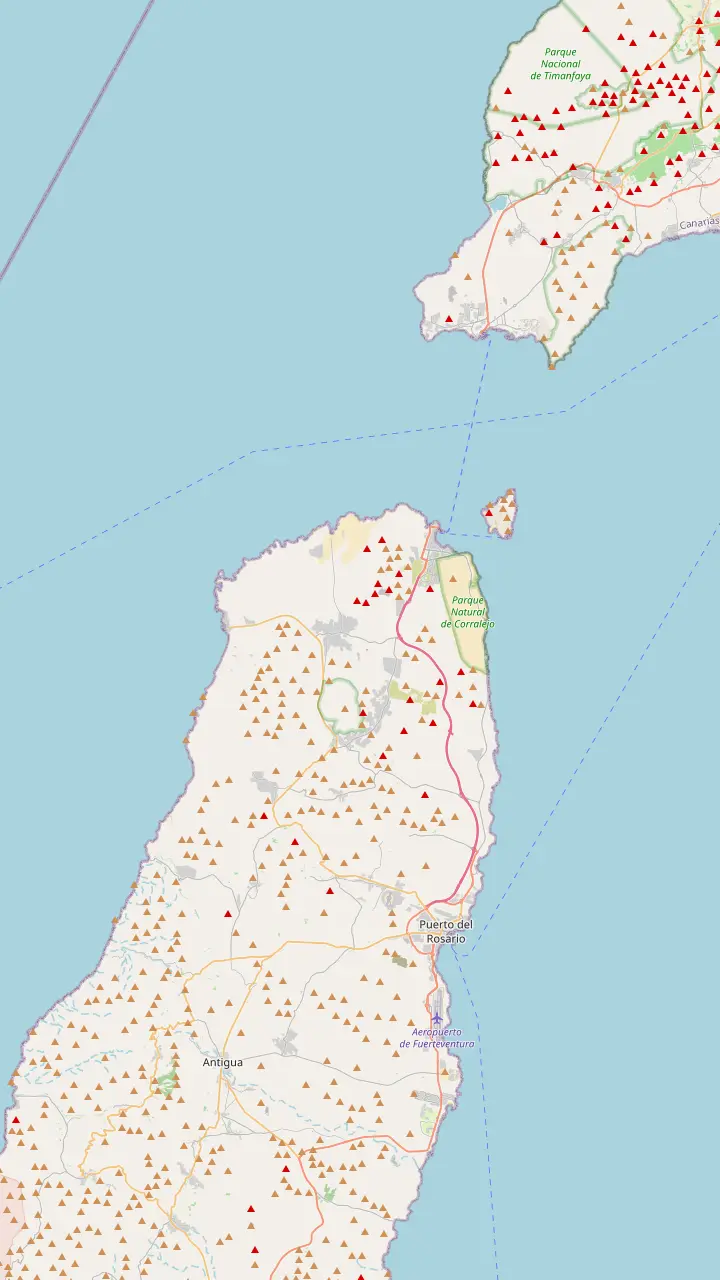
The biggest dune spread in the Canary Islands lies beside Corralejo, inside a natural park that measures 10.5 kilometres at its longest.
Google MapsThe islet is a short boat ride from Corralejo, has no road and takes its name from the sea lions that once lived on its shore.
Google MapsPopcorn beach is really El Hierro beach in La Oliva, and its white pieces are rhodoliths of calcareous algae that must stay on the shore.
Google MapsThe crater of Calderon Hondo has a circular walk of 5 km with a viewpoint at the top.
Google MapsThe Toston lighthouse has three towers built in 1897, 1955 and 1986, and the shore beneath it is known for sunsets.
Google MapsTindaya rises 400 metres above a flat plain and carries more than 300 foot-shaped engravings at its base.
Google MapsThe Colonels House stands on the edge of La Oliva, the village with the most cafes per capita on the island.
Google Maps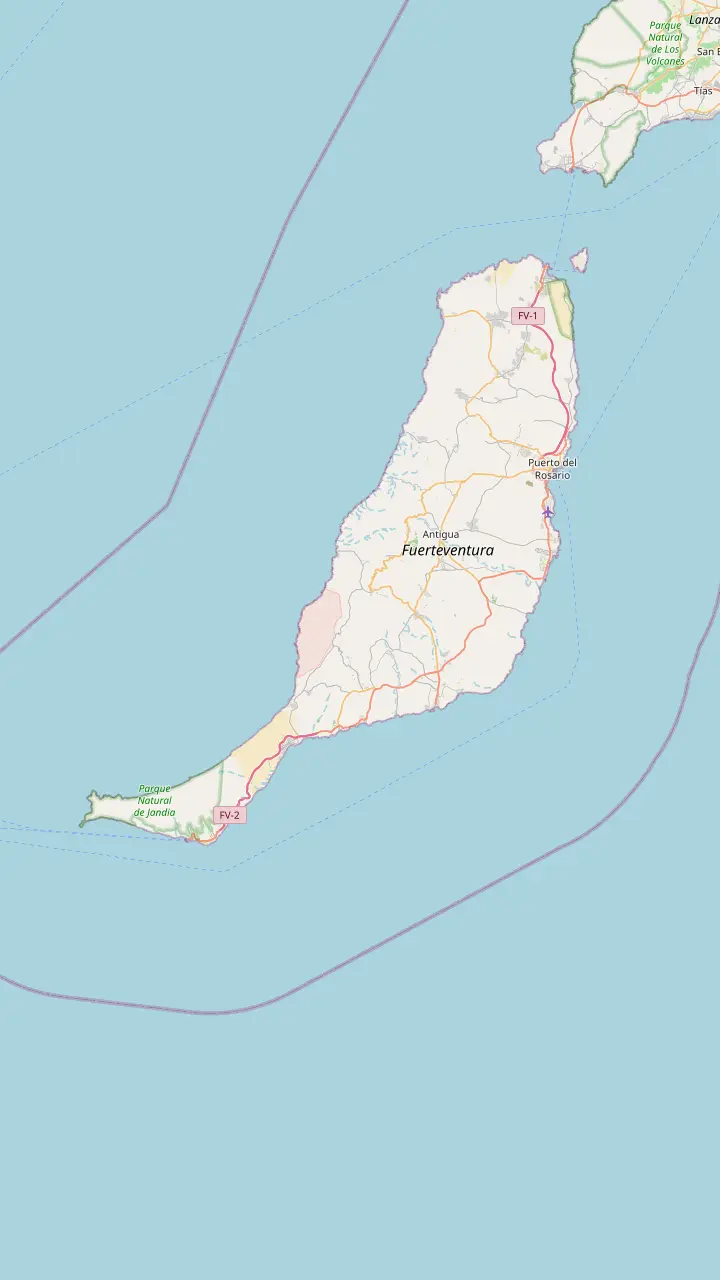
A living museum with seven restored houses where artisans work in view of visitors.
Google MapsThe old capital was founded in 1404 inland to keep pirates away and has been a heritage site since 1979.
Google MapsThe cheese museum in the Antigua mill complex has a tasting room and covers the Majorero designation of origin.
Google MapsThe museum sits beside salt fields that still work and that are more than 400 years old.
Google MapsThe caves at Ajuy hold the oldest rocks in the Canary Islands, formed between 100 and 150 million years ago.
Google MapsOasis Wildlife is the only zoo and botanical park on the island, and its camel safari tickets tend to sell out.
Google MapsThe lighthouse stands just over 100 kilometres from Morocco, the point of the Canary Islands closest to Africa.
Google MapsCofete beach runs for 12 kilometers and is reached on a road of dirt and rocks.
Google MapsMorro Jable is the town where the Cofete road begins, and the bus line to Cofete starts here.
Google Maps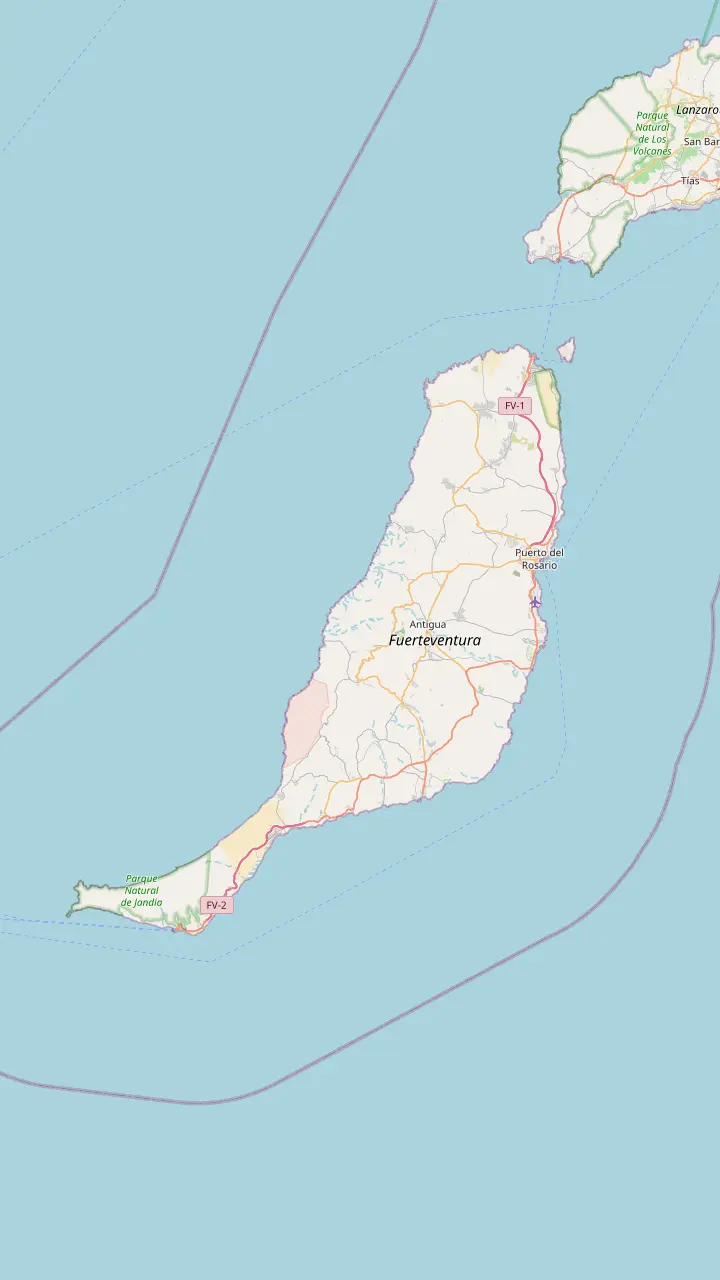
The ferry port for Lobos and the gateway to the dunes, the airport lies 39 km away.
Google MapsA fishing village on the north-west coast with lagoons sheltered by reefs.
Google MapsThe island capital, a harbour town on the east coast.
Google MapsThe airport lies 39 km from Corralejo, 84 km from Morro Jable and 8 km from Caleta de Fuste.
Google MapsA resort 8 km from the airport with a salt museum nearby.
Google MapsA resort with more than 10 kilometers of beach and a calm shore, 65 km from the airport.
Google MapsMorro Jable is the town where the Cofete road begins, and the bus line to Cofete starts here.
Google MapsMap data by © OpenStreetMap contributors
What the official records say about Gustav Winter and the mansion above the beach, how the legend grew, and why the land you cross to reach it is so dry and windy.
Editorial team, fuerteventuratour.click · Updated November 23, 2026 · Takes 9 min
Quick look
The most useful source on Winter is not a tour guide but an official gazette. When the regional government declared the old La Pared wall a protected site, its text told the recent history of the Jandía peninsula, and it names him. In 1937 a German military engineer called Gustav Winter Klingele was the lessee of the Jandía estate, after the owner of the estate had died in 1935.1,6 That is the plain start of the story, and it is a story about land and sheep before it is a story about anything else.
The same gazette says he played a decisive role in the recent history of the peninsula, and that little by little he became owner of the best part of the estate and its sole shareholder.7 The estate he took over had been a pasture land since the European conquest, rich in grass, with several natural springs, where livestock from the rest of the island came to graze.8 The ridges of the massif also held a lichen called orchilla, a dye used in the textile industry.9
Before his time, Cofete was already a small place. The gazette calls it the only hamlet of the peninsula, and says it began to lose importance to the fishing village of Morro Jable.10 That is the setting for the mansion above the beach: a remote estate, a big landowner and a hamlet in decline. None of it needs a secret to be interesting, and none of it appears in the official text as anything military.
Facts and stories
| Claim | The record | Status |
|---|---|---|
| A Nazi submarine base | A legend of half a century2 | Unconfirmed3 |
| Tunnels to hidden silos | Part of the same legend13 | Not mentioned in the gazette |
| The owner of the estate | A German engineer, lessee in 19371 | Documented |
| A fortress fence | A fence of the 1940s for livestock11,4 | Documented |
| A remote hamlet | Cofete, the only hamlet10 | Documented |
| An old wall nearby | La Pared, from sea to sea16 | Documented |
The status column is the writer's reading of what each source says, not a ruling on history.2
Every Villa Winter Fuerteventura tour has to deal with the legend, because it is the reason many people come. The education portal of the regional government puts it carefully: a legend has gone round for half a century that during the Second World War the building, owned by a German citizen named Gustav Winter, hid a secret Nazi submarine base.2 It adds the details of the story, with submarines entering by tunnels to hidden silos.13
The island tourism site is just as cautious. It calls Casa Winter a strange mansion in the foothills above Cofete, and it describes the stories that make it a Nazi operations centre and shelter as unconfirmed.3 Another page of the site says the story of the Winter House is riddled with legends.14 Read together, the official voices neither confirm nor deny. They say the story exists, and they leave it there, which is the honest way to treat it.
A good guide will tell you the same thing. When a guide tells you about tunnels and submarines, treat that as the legend, and ask what the evidence is. The gazette that records Winter as a lessee and landowner does not mention tunnels, and the official pages give no date for the building. Where a tour page quotes a century or a year for the villa, ask the guide for the source before you repeat it.
The dry island
The gazette has one more detail about Winter, and it is more down to earth than any submarine. The text says that a wire fence was put up in the 1940s, almost attached to the old wall of La Pared, and that large stretches of it are still standing in ruins.11 It lists the remains of the fence among the structures near the wall, and says the reasons for building it were several but all seem linked to livestock.4
A member of the Winter family is quoted in the same text saying the fences were put up with the sole intention of protecting the property's livestock.19 The gazette adds that they also kept the Karakul sheep away from other breeds.20 That reads as a ranch boundary more than a military one. A thorn-wire fence across the isthmus also acted as a boundary between the Jandía peninsula and the rest of the island.21
The old wall itself is older than all of this. The gazette says La Pared, on the isthmus of Jandía, stretched from sea to sea, and that its present height rarely exceeds 80 cm in the north.16,22 By the 1960s and 1970s tourism had turned Jandía from a deserted, unpopulated place into a leisure destination.12 The villa, the wall and the fence are the layers of history you cross before you reach the beach, and a guide who knows the gazette can point out which is which.
Pick your way
Pick what matters most and the matching listing or route is shown.
If I want the story of the villa
The Villa Winter tour
It gives the villa a guided stop of 35 minutes and starts from €58.
If I want long hours on the sand
The Land Cruiser tour
A tour of 4 hours with 1.5 hours of leisure on the sand.
If I want a short half-day outing
The jeep safari
It takes 3 hours with 40 minutes at the beach.
If I drive a rental car
Think twice
The last stretch is dirt and rocks with difficult sections.17
If I have no car and no tour
The regular bus
A bus line connects Morro Jable with this part of Jandía.18
Three ways to Cofete
The site's own tour
Off-road with free beach time
The villa listing
A guided stop at the villa
Longer day
Cofete with a driver
The question visitors ask most is why Fuerteventura is so barren, and the island council answers it in one sentence. The island has an arid climate because its low relief cannot trap the moisture-laden ocean clouds that travel on the trade winds.5 The council adds that the climate reflects the island's latitude, its closeness to Africa and a low topography produced by a very eroded relief.68 In other words, the mountains were worn down before the clouds could be caught.
Other forces act on the same land, and they explain why the dryness is so complete. Humid air masses are pushed across the Atlantic by the Azores anticyclone, and warm dry air with suspended dust, called calima, comes from the depressions in the nearby Sahara.69,70 The tourism site says Fuerteventura hardly registers rainfall during the year, and the airport station on the east coast records 0 mm in July and August.71,15,15
The ground matters too. The tourism site notes that volcanic badlands on the island cannot be cultivated even today, and it calls Fuerteventura the oldest island of the archipelago.72,73 The UNESCO biosphere reserve declared in 2009 protects what grows in that dry land, from steppe plains to rock plants.74,75 Barren is a fair word for the slopes you see from the jeep, but it is not the same as empty: the steppe, the rock plants and the birds that depend on them are all part of what the road crosses, and they are worth a pause at the viewpoint.
Price the day
Say how many will travel and each Cofete tour shows its starting fare for the group.
Compare 3 choices
Say how many will travel and each Cofete tour shows its starting fare for the group.
≈
View≈
View≈
ViewStarting prices on GetYourGuide, exchanged at the ECB reference rate. The booking page gives the exact price.
The record
The old estate
Jandía was a pasture land with several natural springs after the conquest.8
The lease
In 1937 Gustav Winter Klingele leased the estate, after the owner died in 1935.1,6
The ownership
He gradually became owner of the best part and sole shareholder.7
The fence
A fence went up in the 1940s beside La Pared, linked to livestock.11,4
Tourism
In the 1960s and 1970s tourism changed the peninsula.12
The legend
The submarine story has circulated for half a century, unconfirmed.2,3
Wind is the other half of the answer, and it explains why Fuerteventura is so windy in everyday experience: Cofete is where you feel it most, because the beach faces the open Atlantic. Windsurfers and kitesurfers owe their best conditions to the northerly trade winds, which the tourism site says peak in the spring and summer months.64 The island is also the second largest and flattest of the archipelago, so little stands in the way of the air.76 That flat land, the wind and the warm temperatures explain why the island markets itself to windsurfers at any time of year.77
On the windward side of Jandía the wind arrives with the swell. The education wiki says the beach is windy and has strong waves, and that bathers must take extreme care.78 The tourism site says the fury of the Atlantic should be treated with the utmost respect.67 A listing for the Cofete jeep safari leaves 40 minutes on the sand, which is plenty for a walk along the sand and no more than a paddle at the edge.
Wind also shapes the other tours on the island, and a flexible plan helps, since a rough sea or a closed track can reshuffle the day. One listing that drives the Cofete road warns that bad weather can shut it. Bring a scarf for your face, glasses for your eyes and a layer for the wind, even when the thermometer at the resort says the day is warm, because the beach is open to the ocean and the air moves all day.
Video
Way Into Adventures on YouTube · Nothing is fetched until you hit play.
a strange mansion with unconfirmed stories that place it as a Nazi operations centre and shelter during the II World War
Before you go
The Cofete road runs through some of the most dramatic ground on the island, and the landscape is the reason the drive is worth making. The education wiki says that 15 or 16 million years ago the Jandía peninsula was separate from the rest of Fuerteventura, and that erosion has made the space we see today.79 It also describes a great arch opening to the windward side of the peninsula, linked to the greatest erosion on the island.80
At the back of the arch stands the mountain line that holds the island's highest points. The tourism site gives the peak of Zarza as 807 meters, the maximum altitude of Jandía Natural Park, where the endemic cardón of Jandía grows.81,82 Cofete lies at the foot of that line, where the steep slopes have let material fall to the plain, in the words of the wiki.83 The beach itself is described as 12 km long and 50 m wide, interrupted only by the Islote de Cofete.84
The island is old, yet its volcanism is not finished business. The tourism site says Fuerteventura is 30 million years old, and dates the Calderón Hondo eruption to a window of 50,000 to 130,000 years ago.85,86 The oldest rocks of the archipelago lie in the centre, in Betancuria Rural Park.87 The marine turtle called the loggerhead is the most important marine species at Cofete, so give any turtle you spot plenty of room.66
On the ground the visit is simple, and the choice is mostly about how long you want at each stop. One listing, the Cofete beach and Villa Winter tour, is a small group, capped at 8 participants, with pickup in Jandía, and its stops include a guided tour of the villa of 35 minutes and 35 minutes at the beach. It starts from €58. The guides speak German, English and Polish, so check the language before you book.
The jeep alternative is the site's own tour, which starts from Morro Jable with 23 pickup options. It stops at a viewpoint, drives the off-road leg to Cofete and then gives you 40 minutes at the beach, for a total of 3 hours, from €66. A third listing, a Land Cruiser tour of 4 hours, gives 1.5 hours of leisure on the beach. Compare them on the cards below, and weigh the language of the guide as much as the fare.
If you drive yourself, the tourism site says Cofete can only be reached by an unpaved dirt road from Morro Jable, and that the unpaved leg covers 8.5 kilometres and includes hard sections.53,17 A regular bus line connects Morro Jable with this part of Jandía, and a path from the Gran Valle is a route of just over 6 kilometres.18,88 Wear shoes you can walk in, and take water, because the village is small.
FAQ
The gazette names Gustav Winter Klingele as lessee of the estate in 1937, but the official pages give no building date.1
The road crosses the Jandía arch, and a listing gives the villa a guided stop of 35 minutes.80
One listing says poor weather can close it, so check before you go.
Sources
Planning Cofete or a boat day on Fuerteventura? Ask a real person here.